
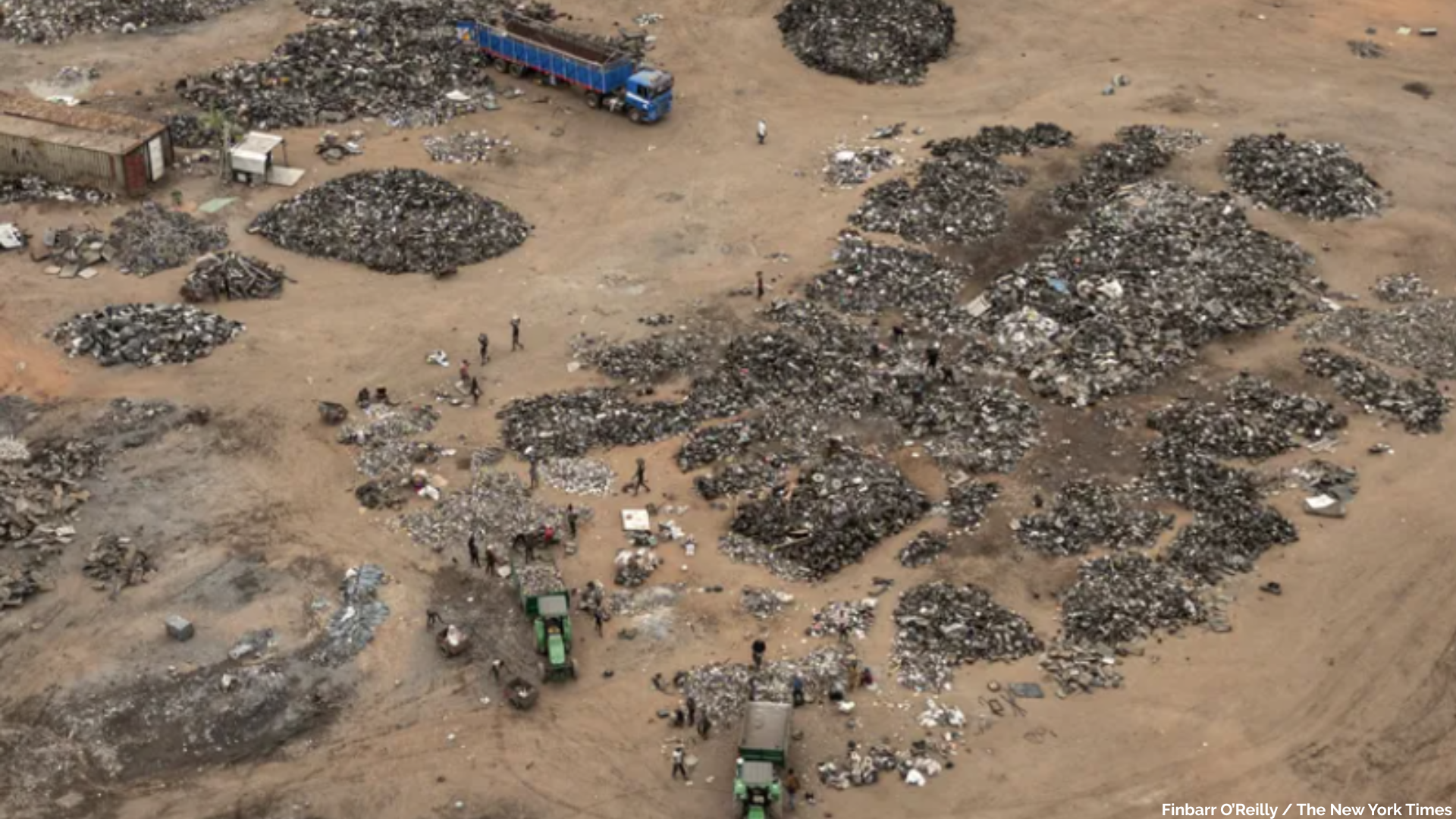
Recent investigations by The Examination, The New York Times, and PREMIUM TIMES documented serious lead contamination in Ogijo, a community in Ogun State on the border with Lagos in southwestern Nigeria. Independent testing commissioned for the investigation found that many residents living near local battery-recycling factories had elevated blood lead levels, and soil and dust samples from selected homes, farms, and a schoolyard showed dangerously high lead concentrations.1,2 These findings are concerning because there is no safe level of lead in the body; even small amounts can affect a child’s learning, behavior, and long-term development. Ogijo lacked systematic blood-lead testing prior to the investigation, and many families were unaware of the risks until the investigations brought attention to the issue. While children are particularly vulnerable, lead exposure also poses serious health risks for adults, including increased risk of high blood pressure, cardiovascular disease, and kidney damage, and contributes substantially to global cardiovascular mortality.3
Taken together, these findings highlight battery recycling in Ogijo as a growing public health concern for workers, families, and nearby communities.
Environmental and Occupational Pathways
Investigators documented several ways that people in Ogijo are being exposed to lead. Inside battery-recycling plants, workers dismantle used batteries by hand and handle acid and molten lead with damaged or entirely without protective equipment. Many of these people work in facilities with cracked floors, open waste piles, and poor ventilation.2,4 These conditions allow lead dust and fumes to spread beyond factory grounds.
Residents reported black dust settling on vegetable gardens, rooftops, and indoor surfaces. Adults and children described health problems commonly associated with lead exposure, including headaches, abdominal pain, fatigue, and difficulty concentrating. Testing of soil and dust from homes, farms, and a nearby schoolyard showed that contamination extended into residential areas.1 Investigators also noted the risk of “take-home” exposure, in which workers carry lead dust home on their clothes, skin, or shoes. Nigeria’s National Environmental (Battery Control) Regulations 2024 require battery-recycling facilities to conduct blood-lead testing of workers at least twice a year and require that workers handling used batteries wear appropriate personal protective equipment (PPE).2 However, at least one worker told investigators he had been tested only once and was never informed of his results; multiple workers reported that protective gear is rarely provided or enforced on the job.2 These conditions increase the risk of both workplace exposure and take-home contamination.
Global and Local Context
Nigeria is one of Africa’s major exporters of recycled lead. Reporting by PREMIUM TIMES and The Examination shows that companies operating in Ogijo, including True Metals Nigeria Limited, exported recycled lead to countries such as Spain, South Korea, India, and the United States in recent years.2 Trade records reviewed during the investigation indicate that the United States imports substantial amounts of recycled lead from Nigeria, much of it used in car battery production.2 Investigations by The Examination and The New York Times traced some Nigerian recycled lead into international battery supply chains linked to major U.S. automakers, including Ford, General Motors, and Tesla.1,4
Local leaders and residents in Ogijo have raised concerns about pollution from the recycling plants for years. Community members described longstanding environmental impacts on their neighborhoods and concerns about children spending time near contaminated areas. Many residents said they want the factories to operate more safely rather than shut down completely, as many families depend on the plants for income.
Following the release of soil and blood testing results, Nigeria’s environmental authorities sealed several battery-recycling facilities, including True Metals, in 2025.2 Residents later reported that some operations resumed and that conditions in the area showed little visible improvement.
Impact on Children and Families
Children are especially vulnerable to lead exposure. Testing conducted during the investigation found that 8 of the 14 children tested had blood lead levels above 5 µg/dL.2 Health experts note that lead exposure at these levels (above 5 µg/dL) is linked to problems with learning, behavior, and development.
Adults living near the recycling plants described ongoing health problems, including fatigue, stomach pain, and memory difficulties. Residents also reported that black soot regularly settles on homes and outdoor surfaces, a visible sign of ongoing pollution.
Community members expressed serious concern about the long-term effects of exposure on their families, particularly children. Several families said they worried about their children’s future health and development and felt unable to move away from contaminated areas because of financial constraints.
Limited Capacity to Respond
Nigeria introduced new environmental regulations in 2024, but enforcement has been uneven. After blood and environmental testing results were shared, some residents said they received iron supplements and brief medical guidance. The investigations did not document access to specialized medical treatment for people with very high blood lead levels.
In 2025, during a government inspection, the Minister of State for Labour and Employment ordered True Metals Nigeria Limited shut down, citing “hazardous and dehumanising conditions,” including unprotected exposure to fumes and unsafe working environments.5 Despite these actions, reporting shows that comprehensive cleanup efforts, long-term medical follow-up, and relocation assistance for affected families have not been fully put in place.
Opportunities for Action
Research findings point to several areas where improvements could reduce exposure:
- Enforce Nigeria’s battery recycling and occupational health regulations consistently.
- Require regular and transparent worker blood lead testing.
- Expand access to blood lead level testing for children and families.
- Improve dust control, ventilation systems, and waste management at recycling plants.
- Remediate contaminated soil in residential neighborhoods, farms, and school areas.
- Strengthen oversight of recycled lead used in international battery supply chains.
- Provide community education and follow-up medical support for exposed families.
Increased attention from investigators, journalists, public health researchers, and community advocates has helped bring Ogijo’s lead contamination into public view. Continued efforts from government agencies, local leaders, and global partners will be important to protect families and support safer recycling practices in the future.
References
- Goodman, Peter S, Fitzgibbon, Will, Granados, Samuel. The Auto Industry’s Lead Recycling Program is Poisoning People – The New York Times. 2025. Accessed February 5, 2026. https://www.nytimes.com/interactive/2025/11/18/world/africa/lead-poisoning-car-battery.html
- Olawoyin, Oladeinde, Ogunrinde, Folashade. INVESTIGATION: Poor oversight, regulatory failure expose Nigerians to slow death from battery recycling (2). 2025. Accessed February 5, 2026. https://www.premiumtimesng.com/news/headlines/838527-investigation-poor-oversight-regulatory-failure-expose-nigerians-to-slow-death-from-battery-recycling-2.html
- World Health Organization. Lead Poisoning. World Health Organization; 2024. https://www.who.int/news-room/fact-sheets/detail/lead-poisoning-and-health
- Fitzgibbon, Will, Goodman, Peter S. Car battery recycling is fueling lead poisoning in Nigeria | The Examination. Accessed February 5, 2026. https://www.theexamination.org/articles/battery-recycling-nigeria-lead-poisoning-us-automakers
- Ogunrinde, Folashade. Lead Poison: Nigerian govt shuts down recycling company after PREMIUM TIMES/The Examination investigation. 2025. Accessed February 5, 2026. https://www.premiumtimesng.com/news/more-news/838649-lead-poison-nigerian-govt-shuts-down-recycling-company-after-premium-times-the-examination-investigation.html