
Lead can still be found in older homes, soil, water, and certain products. Learning about potential sources of lead can help families take steps to reduce exposure and protect their health.¹
Lead dust from deteriorating or disturbed lead-based paint is the main source of exposure among young children in the United States.1,2 Homes built before 1978 often contain lead-based paint on interior or exterior surfaces. When paint cracks, chips, or is sanded, it creates fine dust that settles on household surfaces.2,3
Common sources include:
- Peeling or chipping paint on walls or trim
- Windows, doors, or stairs that grind paint into dust
- Dust from renovation or repainting projects in older homes
 Images Sourced from: iStock, Home Improvement, and Unsplash
Lead can remain in soil for decades after being deposited from paint, gasoline, or industrial activities such as smelting and metal processing.1,4 It often accumulates near older buildings, busy roadways, or former industrial areas.
Common sources include:
- Paint chips or dust that fall from exterior walls
- Soil near roadways where leaded gasoline was used
- Contamination from smelters, battery recycling, or other industries
- Soil tracked indoors on shoes or pets’ paws
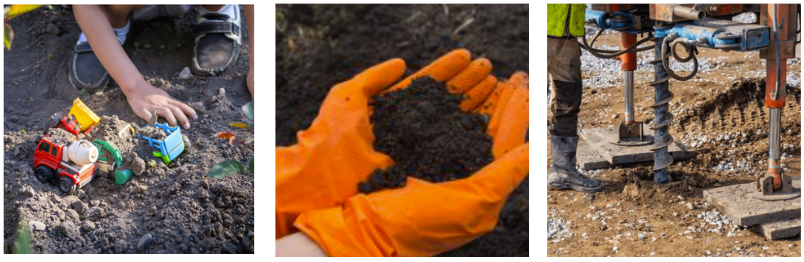
Images sourced from: EPA, CDC, and iStock
Lead can enter drinking water when plumbing materials that contain lead corrode. Homes built before 1986 are more likely to have lead pipes, solder, or brass fixtures.1 The risk increases when water is acidic or sits in pipes for several hours.
Common sources include:
- Lead service lines connecting homes to the water main
- Lead solder used to join copper pipes before 1986
- Brass or chrome-plated faucets and fixtures containing lead
- Some faucets and fixtures can leach lead if they contain leaded components
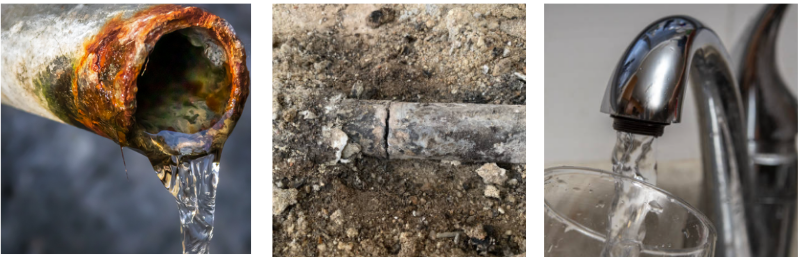
Images Sourced from: Colombia University, iStock, and Sayler’s Suncoast Water
Certain consumer products, especially older, imported, or handmade items, may contain lead in their paint, metal, glaze, or plastic.1,2 Children can be exposed by mouthing or handling these products.
Common sources include:
- Painted toys, jewelry, amulets, keys, and charms
- Ceramic, clay, glazed, crystal, aluminum and pewter dishware and cookware
- Vinyl products, such as older blinds

Images sourced from: CPSC
To learn about consumer products that have been recalled due to lead hazards, visit our Consumer Product Recalls page.
Lead has been detected in some imported foods and spices due to contamination during processing or the use of lead-based color additives.3,5 Lead can also leach from cookware or pottery made with leaded materials.
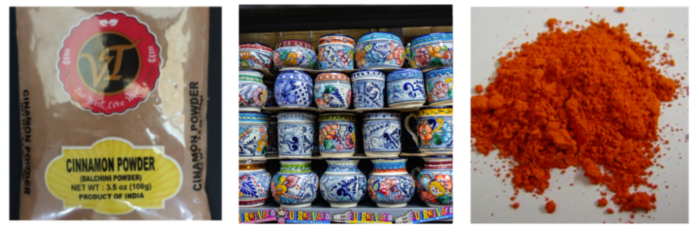
Common sources include:
- Certain spices (e.g., turmeric, chili powder)
- Tamarind/chili candies, chapulines, and other imported snack products
- Food prepared, served, or stored in leaded dishware, cookware, and containers
Images Sourced from: FDA, Canva, and Wikimedia Commons
Some traditional remedies, cosmetics, and powders contain high levels of lead and may cause harm with regular use.1,2
Common sources include:
- Greta and azarcon used for upset stomach
- Litargirio powder used as a deodorant or skin treatment
- Traditional Chinese and Ayurvedic medicines containing lead and other metals
- Kohl, kajal, or surma used around the eyes
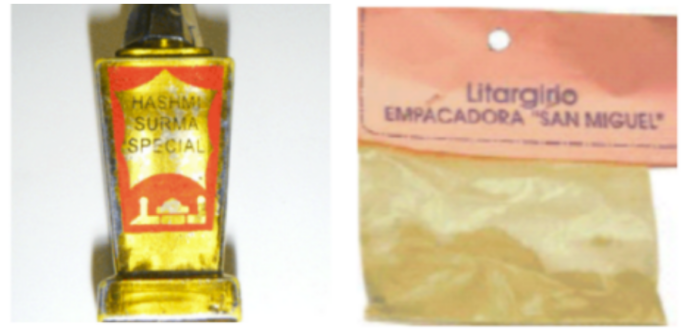
Images Sourced from: CDC
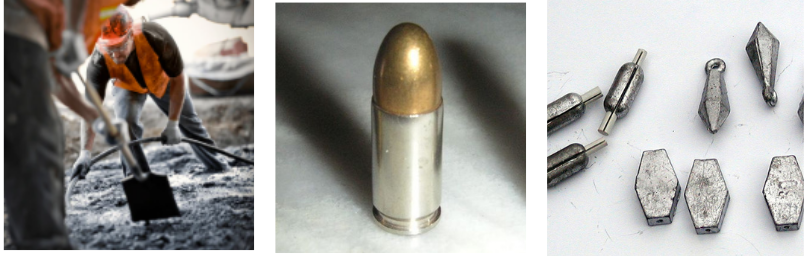
Adults who work with lead or engage in certain hobbies may bring lead dust home on their clothing, skin, or tools, exposing family members.1,3,6 Recreational or target shooting activities can also create exposure through lead dust generated during firing or through contact with ammunition.
Common sources include:
- Construction, plumbing, welding, or auto repair
- Battery manufacturing or recycling
- Stained glass work or pottery glazing
- Shooting or cleaning firearms at indoor ranges
- Eating wild game harvested with lead ammunition
- Handling or reloading bullets without protection
- Making or handling lead fishing sinkers
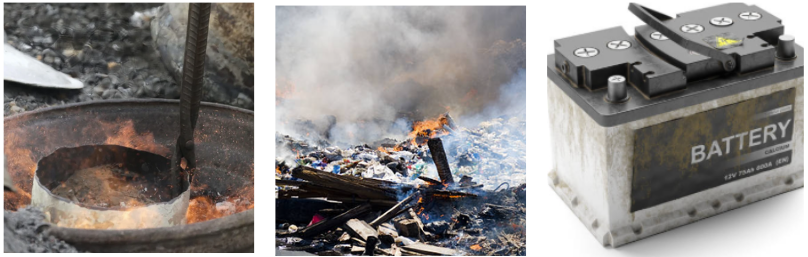
Although leaded gasoline has been phased out, industrial processes still release lead into the air.1,3 Airborne lead particles settle on soil and surfaces, where they can later be inhaled or ingested as dust.
Common sources include:
- Metal smelting or refining operations
- Battery manufacturing and recycling facilities
- Waste incineration
- Aviation fuel used by small aircraft
To learn how to reduce lead exposure, visit our Preventing Lead Poisoning page for healthy habits, safe cleaning practices, and nutrition guidance.
References
- Environmental Protection Agency. Protect Your Family from Sources of Lead. 2024. Accessed December 18, 2025. https://www.epa.gov/lead/protect-your-family-sources-lead
- Minnesota Department of Health. Common Sources of Lead – MN Dept. of Health. 2024. Accessed December 18, 2025. https://www.health.state.mn.us/communities/environment/lead/fs/common.html
- New York State Department of Health. Sources of Lead. 2024. Accessed December 18, 2025. https://www.health.ny.gov/environmental/lead/sources.htm
- Paltseva AA, Cheng Z, McBride M, Deeb M, Egendorf SP, Groffman PM. Legacy Lead in Urban Garden Soils: Communicating Risk and Limiting Exposure. Front Ecol Evol. 2022;10:873542. doi:10.3389/fevo.2022.873542
- Angelon-Gaetz, Kim A., Segule, Marjorie N., Wilson, Molly. Lead Levels in Spices From Market Basket and Home Lead Investigation Samples in North Carolina. Public Health Reports. 2023;138(1):91-96. doi:10.1177/00333549211066152
- Ceballos DM, Herrick RF, Dong Z, et al. Factors affecting lead dust in construction workers’ homes in the Greater Boston Area. Environmental Research. 2021;195:110510. doi:10.1016/j.envres.2020.110510