
Protecting your family from lead exposure starts with small, everyday actions. Learn how to keep your home clean, make healthy food choices, and take practical steps to prevent and reduce lead exposure for you and your family.
Practicing good personal care and maintaining a clean household are key to preventing lead exposure. These simple habits can make a big difference in preventing lead dust from spreading to family members¹:
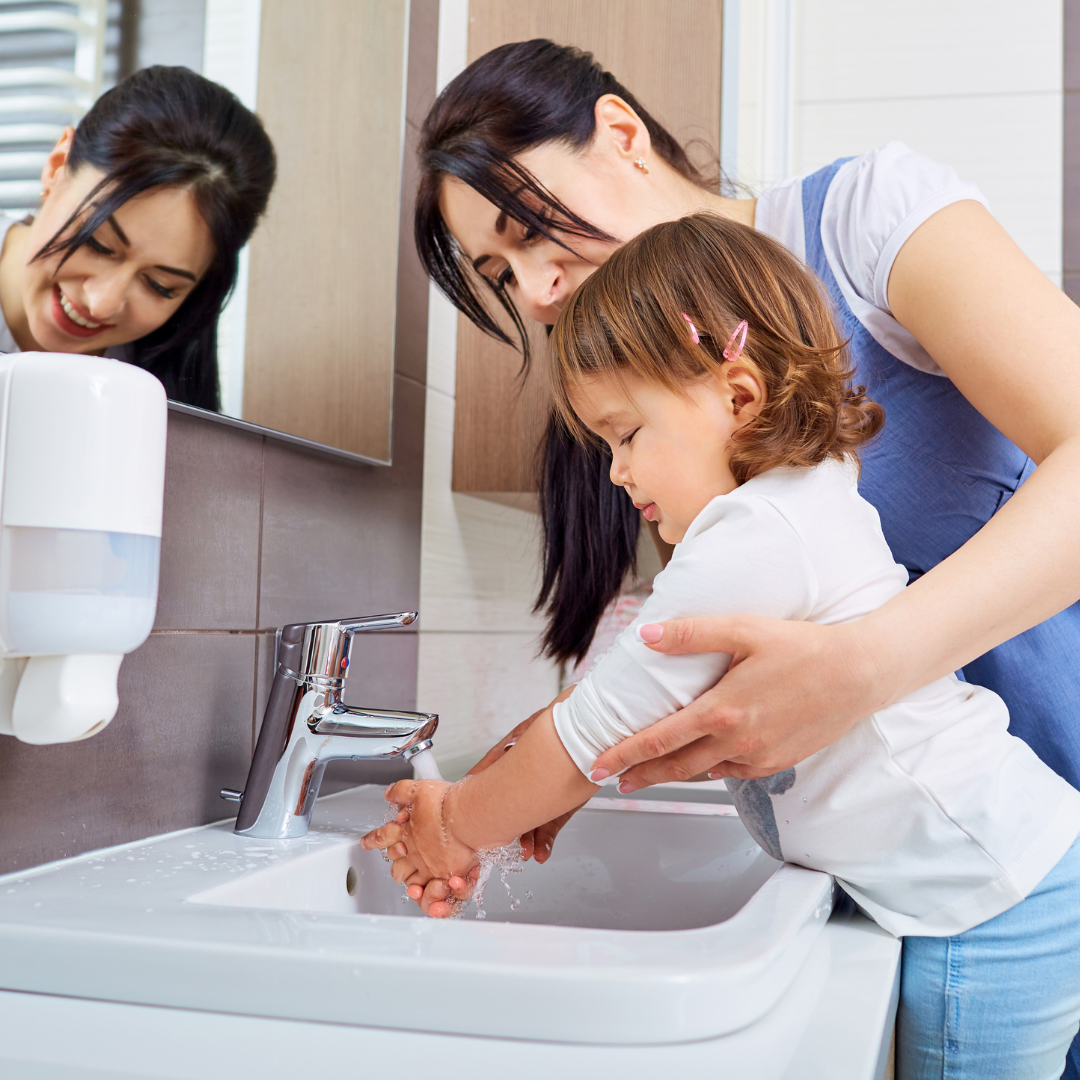
- Wash your child’s hands, face, and mouth often, especially before meals.
- Wash bottle nipples, pacifiers, and toys that are placed in children’s mouths often.
- Keep children’s fingernails short, so lead dust cannot be easily trapped.
- Always eat at a clean table. Food dropped on the ground should be discarded.
- Always wash or wipe down toys, blankets, and other items your child uses or plays with. Clean these items daily if they fall to the floor; otherwise, wash weekly.
- If water hasn’t been used for several hours, run tap water for 30 seconds to 2 minutes before drinking.
- Use only cold water for making your baby’s formula, drinking, and cooking.
- Use gentle cleaners to avoid more paint from chipping or peeling.
- For those with jobs or hobbies involving lead:
- Wash your hands, face, and arms before leaving work.
- Remove or change work clothes and shoes before entering the home.
- If possible, shower immediately to remove any lead dust from your hair or skin.
- Wash clothes separately from household laundry.
A healthy diet can help protect children and pregnant or breastfeeding persons from lead poisoning by reducing the amount of lead their bodies absorb.² Eating regularly—about four to six small meals or snacks a day—can help lower lead absorption, especially when meals include foods rich in iron, calcium, vitamin C, and protein. These nutrients also support healthy growth and development for both parent and child. Limiting high-fat foods and offering nutritious snacks can also make a difference. Here are some examples of foods that support your child’s health and development²:
Foods High in Iron and Protein
- Lean red meat, chicken, liver, or fish
- Dried beans, peas or lentils
- Leafy green vegetables, such as broccoli and spinach
- Fortified cereals and breads
- Peanuts, sunflower seeds
- Dried fruits, such as raisins, prunes, and apricots
- Eggs
Foods High in Vitamin C
- Citrus fruits and juices
- Bell peppers, collards, tomatoes, raw cabbage, cauliflower, broccoli, and greens
- Potatoes with skins and sweet potatoes
- Strawberries, watermelon, cantaloupe
Foods High in Calcium
- Leafy green vegetables, such as kale, collard greens, and turnip greens
- Milk, cheese, yogurt, ice milk, pudding
- Tofu
- Peanuts and peanut butter
- Salmon and sardines
- Calcium enriched soy milk
- Dried fruits and raisins
What to Limit
- High-fat foods (french fries, potato chips, bacon, etc.)
- Imported/loose spices (cinnamon, turmeric, chili powder, etc.)
- Imported foods and candies
- Cooking and storing food in imported or vintage cookware
Check out our Lead Product Recall List to stay updated on food and other household items that may contain lead!
Even low levels of lead exposure during pregnancy or breastfeeding can be harmful to both the parent and baby. Supporting your child’s healthy growth starts with protecting yourself. The following tips can help you and your baby stay lead-safe:

- Talk to your doctor or midwife if you are concerned about potential exposure.
- Get a blood lead test.
- Avoid certain imported foods and cosmetics.
- Store and serve food properly.
- Eat foods rich in iron, calcium, vitamin C, and protein.
- Please do not clean up lead dust if you are pregnant or breastfeeding–ask someone else to help.
Lead dust can come from chipping or peeling paint, and can also be tracked indoors from contaminated soil. Wet cleaning helps remove lead dust from smooth, hard surfaces such as floors, shelves, windowsills, and door frames.4 The following wet-cleaning tips can help you safely reduce lead dust in your home:
Get Ready to Clean3
- Gather cleaning supplies.
- Make sure children and pets stay out of the room while you clean.
- Do NOT eat, drink, chew gum or tobacco, or smoke during cleaning.
Gather Cleaning Supplies3
- Rubber gloves
- Paper towels, disposable rags, or sponges
- Mop or mop with disposable wet pads
- Heavy-duty plastic garbage bags
- Tack cloth, masking tape, or duct tape
- Three buckets
- All-purpose cleaner
- Water
Prepare Your Buckets4
- Bucket 1: Create a soapy water solution with warm water and all-purpose cleaner.
- Bucket 2: Leave empty.
- Bucket 3: Fill with plain, warm water.
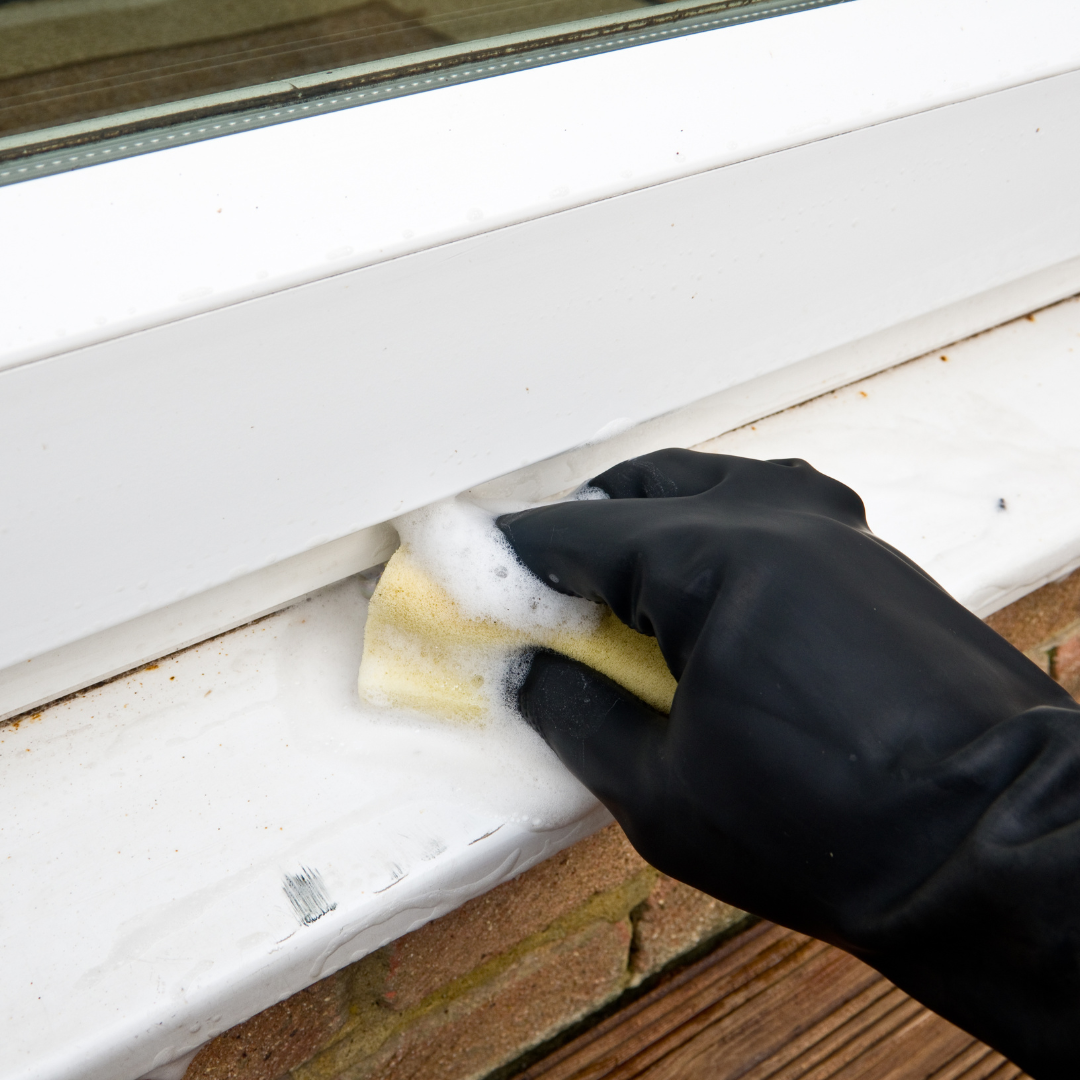
Always clean from the highest surfaces to the lowest, and from the cleanest areas to the dirtiest–leaving the floors for last. Pick up large paint chips and place them in trash bags. Use tack cloth or tape to pick up small paint chips. Move room by room until your home is complete
Small Surfaces (windowsills, shelves, etc.)4
- Wet the rag, paper towel, or sponge in soapy water, then wring out excess liquid.
- Clean the surface from top to bottom, wiping in one direction.
- When you are ready to wet the rag/paper towel/sponge again, wring out as much as you can into the empty bucket.
- Rinse it in the clean water bucket, then wring excess again into the empty bucket.
- Wet it in the all-purpose cleaner bucket and repeat as needed.
Large Surfaces (uncarpeted floors)4
- Soak the mop in the all-purpose cleaner bucket. Wring out excess liquid.
- Start from the corner farthest from the door and mop towards the door, mopping small areas of floor at a time.
- When you are ready to wet the mop again, wring the mop into the empty bucket.
- Rinse the mop in the clean water bucket, then wring it into the empty bucket.
- Wet the mop in the all-purpose cleaner bucket and repeat as needed.
- If using a mop with disposable pads, replace the mop pad as soon as it becomes dirty or when you finish a section.
After Wet Cleaning4
- Throw soiled gloves, rags, paper towels, and sponges away in plastic garbage bags and dispose in an outdoor trash can.
- For sponges, rags, and gloves you plan to reuse, wash and rinse them separately.
- Do NOT rinse these items in sinks or areas where you prepare food.
- Pour dirty water into the toilet and flush it.
- Do NOT pour the dirty water in the sink where food might touch and do NOT pour it outside where children might play.
- Wash your hands when you are done cleaning and disposing supplies.
Click here to download an infographic of tips to clean lead chips and dust in your home!
It is best to use a vacuum with a High Efficiency Particulate Air (HEPA) filter and beater bar to clean lead dust from carpeted floors and area rugs.4 Some communities or hardware stores may sell or offer a loaner HEPA vacuum.
For Carpeted Floors and Area Rugs4: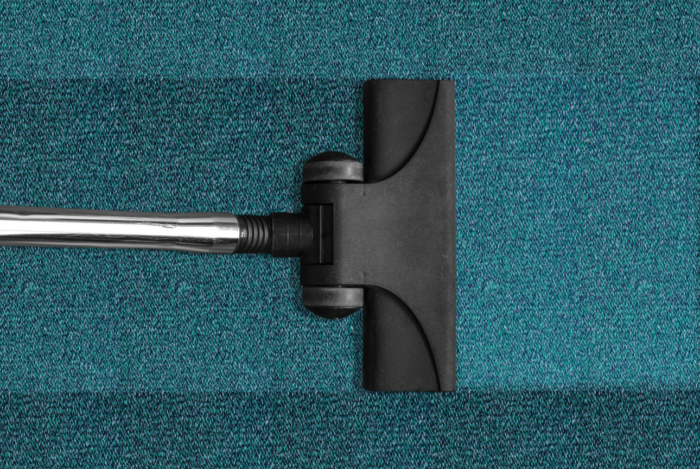
- Vacuum slowly from one side of the room to the other.
- Vacuum again across the first path to create a checkered pattern.
- Follow the vacuum instructions to dispose of the contents of the bucket and clean the filter
- Wash your hands when you are done cleaning and disposing of supplies.
References
- U.S. Environmental Protection Agency. Actions to Reduce Potential Lead Exposure. US EPA. August 12, 2025. Accessed January 12, 2026. https://www.epa.gov/lead/actions-reduce-potential-lead-exposure
- U.S. Environmental Protection Agency. Fight Lead Poisoning with a Healthy Diet. WIC Works Resource System. October 2019. Accessed January 12, 2026. https://wicworks.fns.usda.gov/resources/fight-lead-poisoning-healthy-diet
- U.S. Environmental Protection Agency. Effective Cleaning Techniques. US EPA. October 2020. Accessed January 12, 2026. https://19january2021snapshot.epa.gov/lead/module-2-effective-cleaning-techniques
- NC Healthy Homes. Cleaning Up Take-Home Lead Dust in Your Home and Car. NC Healthy Homes. June 24, 2020. Accessed January 12, 2026. http://nchealthyhomes.com/lead-poisoning/