
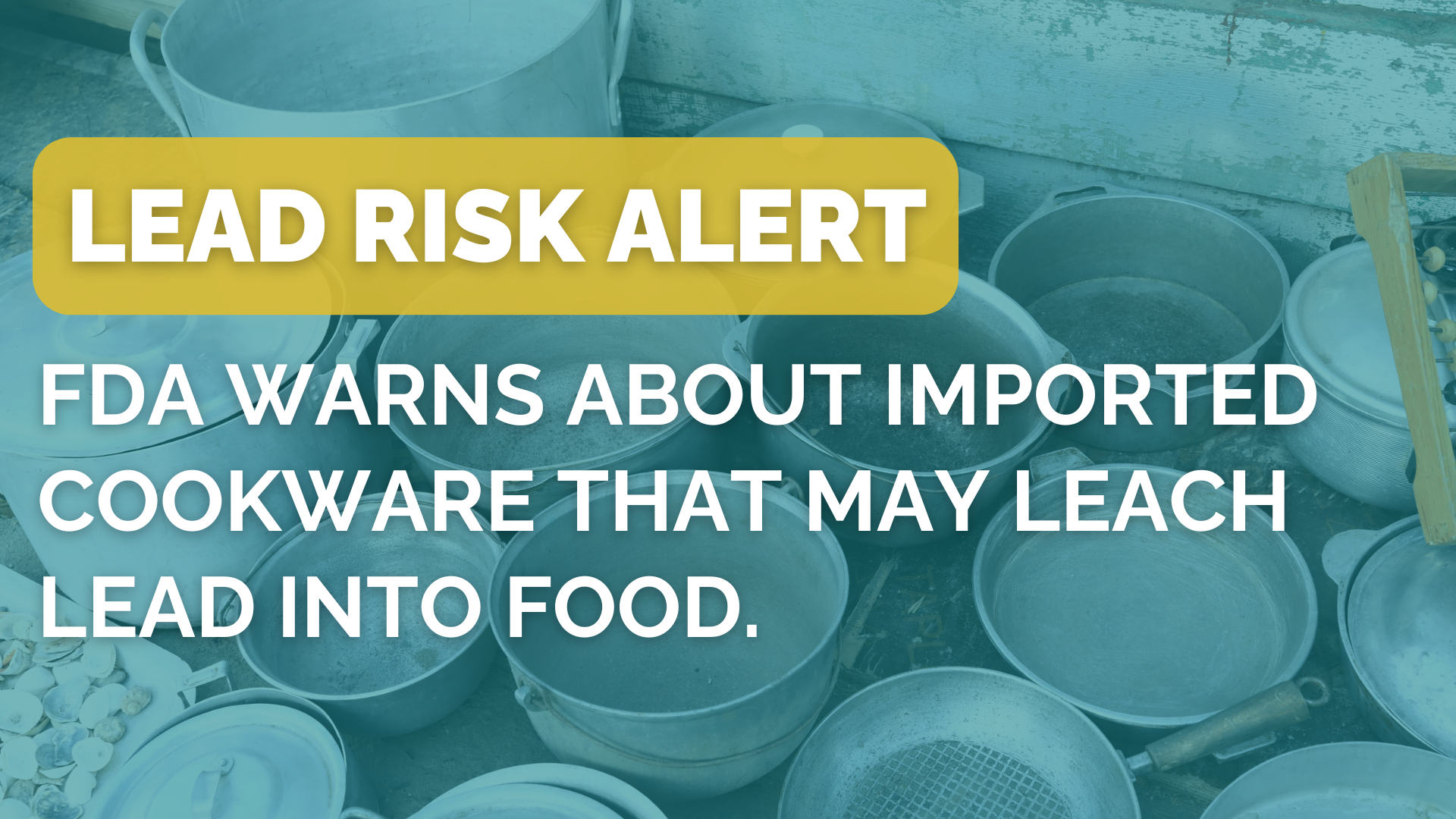
On September 12, the U.S. Food and Drug Administration (FDA) expanded its list of imported cookware products that may be leaching lead into food, which means harmful lead can seep out of the cookware and end up in what you eat. Only some recalls have been issued at this time, but consumers are advised to avoid purchasing the following products and check their kitchens for them:
Kadai/Karahi, Tiger White
(RECALLED) Aluminum Mathar Kadai 26, Silver Horse
(RECALLED) Aluminum Milk Pan 4, Silver Horse
Aluminum Kadai India Bazaar #3, JK Vallabhdas
Why Is This a Concern?
These cookware items are often used in South Asian cuisine. Certain imported cookware made from aluminum, brass, and aluminum alloys (like Hindalium/Hindolium or Indalium/Indolium) can leach lead during cooking or food storage. While these specific products were not sold in Nevada, imported cookware from low- and middle-income countries pose a significant risk of lead exposure. Research has shown that some aluminum cookware brought by refugee families from their countries of origin can leach dangerous amounts of lead into food (1).
There is no safe level of lead. This alert is especially concerning for young children and pregnant people, since even small amounts of lead can affect brain development, growth, and overall health. Parents should take these next steps to protect their family’s health.
What Should You Do?
- Do not use these products to cook or store food.
- Do not donate or refurbish these products.
- Use stainless steel or other safer alternatives whenever possible.
- Call your healthcare provider if you are concerned about potential lead exposure and ask about a blood lead level test.
- Sign up for our newsletter for the latest lead-related product recalls.
Read the full FDA announcement here.
Reference
- Fellows KM, Samy S, Rodriguez Y, Whittaker SG. Investigating aluminum cookpots as a source of lead exposure in Afghan refugee children resettled in the United States. J Expo Sci Environ Epidemiol. 2022;32(3):451-460. doi:10.1038/s41370-022-00431-y